
%20(1).png)


Banana Stem Water
The Hidden Medicine Inside the Most Familiar Plant on Earth
The Thing Everyone Throws Away
When a banana plant finishes fruiting, the farmer cuts it down. The bunch is harvested, the fruit travels to markets and kitchens and breakfast tables around the world, and what remains — the great columnar pseudostem, up to nine meters tall, fibrous and water-swollen — is typically left to decompose, burned, or discarded. It is agricultural waste. Except that it is not.
Inside the pseudostem of the banana plant — inside what is technically not a trunk at all but a tightly packed mass of leaf sheaths — is a soft, pale, extraordinarily fibrous inner core filled with water. That water, pressed from the stem as juice, has been drunk as medicine for millennia across South Asia, Southeast Asia, and Africa. In Ayurvedic texts compiled thousands of years ago, in the folk traditions of South India's villages, in the herbal markets of Tamil Nadu and Kerala, in the ancestral knowledge of communities from Kerala to the Philippines to West Africa, the banana stem has been understood not as waste but as one of the most effective medicines growing in the backyard.
The Sanskrit texts knew it as kadali — the whole plant, revered. Modern nutrition science has begun to understand why.
Names Across Worlds
Musa paradisiaca — the name the Swedish botanist Carl Linnaeus gave the banana in 1753 — contains within it a suggestion of paradise, paradisiaca nodding to the ancient and widely shared belief that the banana was the fruit of Eden, the tree whose leaves Adam and Eve used to cover themselves after the fall. Bananas are known as Kadali Phalam or Kadli in Sanskrit, and the entire plant is considered sacred.
In South India, the banana stem is called Vazhaithandu in Tamil — vazhai meaning banana, thandu meaning stem or stalk. In Kannada it is Bale Dindu. In Malayalam it is Vaazha Thandu. In Hindi it is Kele ka tana. In the Philippines, where the banana plant is woven into daily life as intimately as in India, it is puso ng saging — banana heart — though this more often refers to the flower. In West Africa, across the Spanish-speaking Caribbean, and throughout the Andean countries where banana cultivation arrived with the Spanish and Portuguese, the pseudostem is understood simply as the interior of the platanero — the banana plant — and its water is extracted when needed and drunk as medicine for the kidneys, the stomach, and the blood.
Each name is a different community's recognition of the same reality: this plant, which every culture on earth eats as fruit, contains within its stem a medicine that most of the world is still learning about.
The Sacred Plant: Mythology & Legend
No plant in Hindu cosmology occupies a more pervasive or more intimate sacred role than the banana. It is everywhere in the ritual landscape of the Indian subcontinent — at temple gates, at weddings, at funerals, at festivals — and its presence in each context is not decorative but theologically specific.
The banana plant is associated with Vishnu and Lakshmi and preservation and wealth. According to Hindu mythology, Rishi (Saint) Durvasa's wife was turned into a banana tree by his curse when she had interrupted his sleep. Upon receiving the curse, she pleaded as a compromise that she be treated as a special and holy plant on earth. Durvasa granted her wish, and since then banana leaves and the plant are considered auspicious in Hindu religion.
In Bengal, the banana tree is considered the wife of Ganesha, fondly called kalabou — literally meaning "banana wife" — and has a permanent place next to Ganesha during Durga Puja, the largest festival in Bengal. According to ancient scriptures, the banana tree is equated to Devaguru Brihaspati, or the planet Jupiter. This belief is so prevalent that a person who cannot afford a Brihaspati gemstone can even wear the root of a banana tree. Even having a banana tree at home was seen as being akin to having a guru at home.
The Kadali plant, a variety of banana, is believed to be the incarnation of Parvati, the wife of Shiva, and Lakshmi, the wife of Vishnu. The Kadali plants, particularly their leaves, are considered sacred for purposes of religious ceremonies. Entire plants are placed at the entrance of houses for marriages to symbolize fertility and plenty. The plant is worshiped in the month of Kartik by women desirous of having male progeny.
There is a traditional custom in Hindu religion to decorate the entrance of the wedding hall and the wedding house of both the bride and the groom with two banana trees, symbolizing that the life of the married couple should be evergreen and lead an endless relationship, showered with all prosperity and progeny for generations to come.
This mythological richness is not incidental to the medicinal tradition — it is continuous with it. In the Vedic worldview, a plant that embodies the energy of Jupiter, that is associated with Lakshmi (abundance), that is the literal incarnation of Parvati (the divine feminine, mother of the body's renewal) — such a plant was understood to be a living pharmacopeia. To eat it, to drink it, to be near it was to receive something from the sacred order of things.

Alexander and the Sages: The Plant in Ancient History
When the ancient Greeks came to India, they witnessed the banana among the Rishis — the spiritual sages of Vedic civilization. Hence the name Musa sapientum: the banana of the wise, the fruit of the sages. The Macedonian armies of Alexander the Great encountered the banana in the Indus Valley around 326 BC and brought descriptions of it back to the Mediterranean world, where it had not previously been known. The Greek physician Theophrastus recorded it in his botanical writings, noting its extraordinary size, its clustered fruit, and the fact that the Indian sages appeared to live upon it.
The Sushruta Samhita — one of the foundational Ayurvedic texts, compiled between approximately 600 BC and 200 AD — records the banana plant's medicinal properties in detail. According to Ayurveda texts such as the Sushruta Samhita, they note that the banana is the only plant whose stem, flower, leaves, and skin — the whole plant — is full of medicinal properties. It keeps the body cool by balancing the vata and pitta dosha.
From the Indus Valley, the banana traveled westward with Arab traders along the spice routes, arriving in Africa by approximately 650 AD, and reaching the Americas with Portuguese sailors in the sixteenth century — first planted in the Caribbean around 1516. Today it is the most consumed fruit in the world. But the medicine was there first, in the stem, long before the fruit became a global commodity.
What the Pseudostem Actually Is
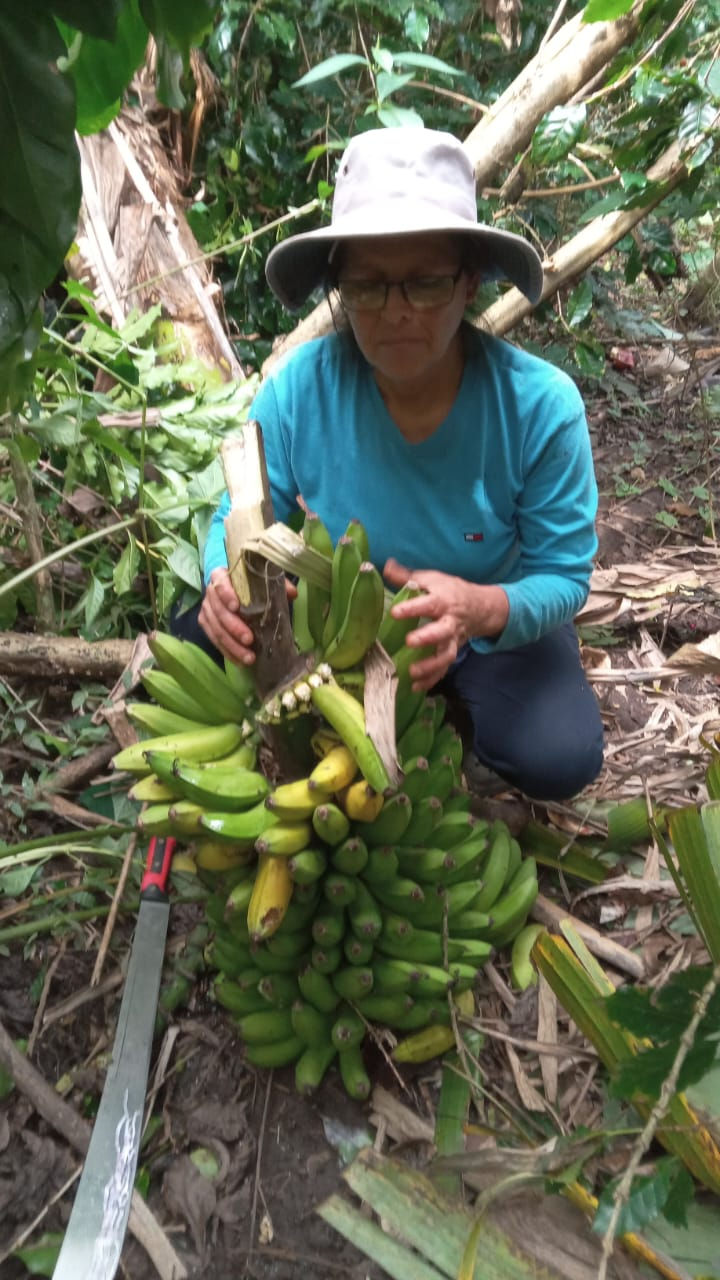
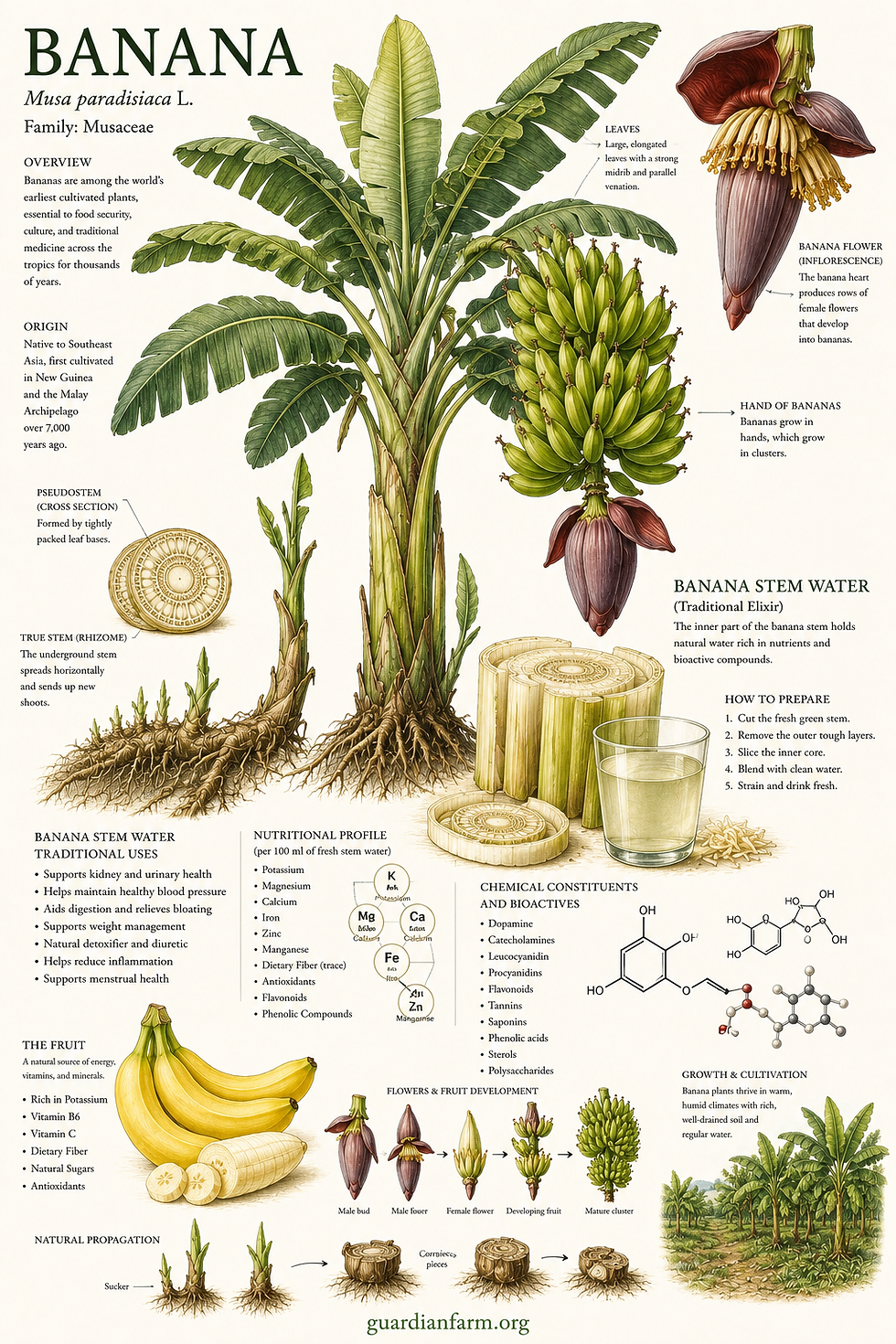
A clarification that botanically matters: the banana plant has no true trunk. The banana plant starts to develop from a layer called a corm — a swollen stem base modified into a mass of storage tissue — and the trunk part is referred to as a false stem or pseudostem. The tubular structured pseudostem is very fleshy, with water as its major composition, has a soft central core, and is tightly packed with sheaths. The stem grows normally 5 to 7.6 meters tall and supports the whole plant.
What appears to be a tree trunk is in fact many overlapping leaf bases, tightly packed around a central core of extraordinary water content. When this core is sliced, pressed, or simply cut, water flows from it — slightly viscous, faintly sweet, pale and clear. This is banana stem water: not a manufactured product, not an extract, but simply the living water of the stem, carrying with it everything the plant has concentrated in that core.
The inner tender core — known as Vazhaithandu in South India — is edible, fiber-rich, and used in traditional South Indian dishes like juices, kootu, raita, and soups. Studies have confirmed that it is loaded with nutrients and bioactive compounds: rich in both soluble and insoluble fiber supporting digestive health, a natural source of potassium, magnesium, iron, and calcium, and containing phenols, tannins, flavonoids, and other compounds that reduce oxidative stress and inflammation.
The Chemistry: What Makes It Medicine
Banana stem sap contains antimicrobial active ingredients in the form of tannins 4.38%, flavonoids up to 8.18%, and saponins 6.73%. Antioxidants such as gentisic acid, catechin, ferulic acid, and protocatechuic acid are present in pseudostem juice.
Both major banana species — Musa acuminata and Musa balbisiana — are rich in a diverse array of secondary metabolites including alkaloids, flavonoids, terpenoids, phenolic acids, saponins, and cardiac glycosides, which contribute to their biological activities. The pharmacological properties of Musa species have been extensively studied, revealing significant antioxidant, antimicrobial, antidiabetic, and anticancer effects.
The specific phenolic profile of the pseudostem juice is of particular scientific interest. P-hydroxybenzoic and gallic acids were found as predominant analytes in stem juice from plants grown in Vietnam, while ferulic acid was the major compound found in juice obtained from greenhouse bananas. Despite differences in the occurrence of potentially antidiabetic compounds, both extracts exhibited comparable inhibitory activity against α-glucosidase and α-amylase.
α-glucosidase and α-amylase inhibition is the mechanism exploited by pharmaceutical antidiabetic drugs like acarbose — the same mechanism that banana stem water appears to employ through its natural phenolic compounds.
Banana sap extract has a Minimum Inhibitory Concentration (MIC) of 1.563% and a Minimum Bactericidal Concentration (MBC) of 3.125% against E. faecalis bacteria, demonstrating antibacterial effectiveness.
Scientific Studies: Kidney Stones and Urolithiasis
The traditional use of banana stem water that has attracted the most clinical and scientific attention is its application for kidney stones — urolithiasis — one of the most painful and economically costly conditions in urology, with extremely high recurrence rates and limited pharmaceutical solutions for prevention.
A human study in patients with urolithiasis checked the effectiveness of banana stem juice. Juice of the pseudostem core of Musa paradisiaca and Musa sapientum were given as medicine to treat kidney stones. The majority of patients passed out calculi of varying size after consuming the juice for two weeks. Recurrence of stone formation was also prevented by this treatment, suggesting that Musa stem juice is quite effective in curing urolithiasis, especially of the calcium oxalate variety.
When Musa paradisiaca stem extract was given by oral route at a dosage of 1.5 ml per rat per day, there was a decrease in enzyme activities and the level of crystalline components. There was a decrease in activities of urinary alkaline phosphatase, lactate dehydrogenase, γ-glutamyl transferase, inorganic pyrophosphatase, and β-glucuronidase in calculogenic rats.
The study of de-crystallization of calcium oxalate and uric acid crystals using Musa paradisiaca stem extract revealed a considerable decrease in the weight of stone from 0.4440 gram to 0.3704 gram, demonstrating that effective use of banana stem extract can degrade kidney stones.
The kidney stones placed in raw banana stem juice decreased in weight by 6.9% in five days. As banana stem juice has anti-urolithiasis properties, regular consumption of banana stem can reduce the chances of kidney stone formation. The researchers posited that the nutrient content present in the banana stem is balanced and the stem extract could be a natural remedy without side effects for problems related to kidney stones.
In vitro anti-urolithiatic activity from different types of Musa pseudo-stem extracts showed an inhibition of nucleation activity ranging from 0.11% to 55.39%, and aggregation activity ranging from 4.34% to 58.78% at 360 minutes of incubation time.
The proposed mechanism for these effects involves multiple constituents working together. Possible mechanisms of action may be due to the presence of organic constituents like β-sitosterol, quercetin, tannins, saponins, and inorganic constituents like magnesium, potassium, and nitrate in stem juice of Musa AAB. Magnesium, in particular, binds with oxalate in the digestive system and prevents it from reaching the kidneys — a mechanism that helps explain why magnesium supplementation is a recognized conventional approach to calcium oxalate stone prevention, and why banana stem water, rich in natural magnesium, does the same thing through food rather than pharmaceutical supplementation.
Daily intake of 15 to 20 ml of fresh juice of the banana stem tube helps to reduce the chances of occurrences of urinary stones. It is useful in treating burning urination as well.
Antidiabetic Properties
The antidiabetic effects of pseudostem and flower extracts are established by studying their α-glucosidase inhibitory effects. Studies on banana plants cultivated in their original natural habitat showed differences in the pattern of bioactive compounds compared to greenhouse cultivation, though both exhibited comparable inhibitory activity against α-glucosidase and α-amylase.
The potential of extracts from various banana plant sections to inhibit enzymes like glucosidase and amylase — which are responsible for the digestion of carbohydrates — has drawn attention to the effects of these extracts on type I and type II diabetes mellitus over the past ten years.
The high fiber and low glycemic index of banana stem slow glucose absorption, preventing sudden blood sugar spikes. This is a dietary fiber effect — the same mechanism that makes whole grains preferable to refined grains for diabetic management — but the fiber density of the banana pseudostem is extraordinary, making a glass of its juice a concentrated intervention in postprandial glucose regulation.
Antimicrobial Activity
Panda et al. reported the antiviral activity of different parts of banana — leaf, pseudostem, and corm — against Chikungunya virus, enterovirus, and yellow fever virus.
From ancient times, different parts of Musa paradisiaca were used for many traditional treatment purposes including antibacterial, antihypertensive uses, wound healing, fevers, burns, and diarrhea.
The wide waxy surface of the banana pseudo-stem contains a lot of fiber, flavonoids, polyphenols, and tannins. Because of their cooling characteristics, the leaves have long been used to treat eczema, wounds, inflammation, rashes, dandruff, and sunstroke.
Juice from the stem is found effective for treating cholera, otalgia, haemoptysis, diarrhea, and dysentery. Cholera — a diarrheal disease caused by Vibrio cholerae — is a condition for which rapid rehydration and electrolyte replacement are the core therapeutic response. Banana stem water, rich in potassium, provides both hydration and electrolytes in a form that communities without access to pharmaceutical oral rehydration solutions have historically used with effect.
Digestive Health: The Fiber That Feeds the Gut
If you struggle with sluggish digestion, gas, or bloating, Vazhaithandu can be a natural daily support. The high fiber absorbs water, adds bulk to stools, and eases bowel movement, relieving constipation and abdominal discomfort.
The prebiotic potential of banana stem fiber is an emerging area of research. A 2023 international journal article reviewed the potential of banana stems as a source of prebiotic, confirming that the fiber fractions support the growth of beneficial gut bacteria. The gut microbiome — the community of trillions of microorganisms that inhabit the digestive tract and influence everything from immunity to mood to metabolic health — thrives on fermentable fiber. Banana stem provides this in abundance.
Ayurveda views banana stem as a body-cooling food that balances excess pitta — the dosha associated with heat, inflammation, and acidity. This is precisely why it is given for conditions like ulcers or urinary infections in Ayurveda, which are seen as heaty conditions that need pacifying.
How It Is Made and Drunk
The preparation of banana stem water is as simple as the medicine itself. The outer sheaths of the pseudostem are peeled away until the pale, tender inner core is exposed. This core is sliced thin, the fibrous strands pulled away — a meditative task done by hand, the strands coming away in long spiraling threads — and the remaining flesh is pressed or run through a juicer. What emerges is pale and slightly viscous, with a faint sweetness and an almost neutral flavor that takes well to lemon, ginger, or a pinch of cumin.
In South Indian tradition, the juice is drunk first thing in the morning on an empty stomach — a timing that maximizes its diuretic effect and its impact on blood sugar regulation at the start of the metabolic day. In Ayurvedic practice, it is often combined with cardamom and a thread of asafoetida to enhance its digestive and antispasmodic properties. In Kerala's traditional medicine, it may be combined with kanjipani — rice water — for patients recovering from digestive illness.
Daily intake of 15 to 20 ml of fresh juice of the banana stem tube helps reduce the chances of urinary stones and is useful in treating burning urination. This modest daily dose — less than two tablespoons — is the traditional maintenance recommendation, taken not as an acute treatment but as a quiet, daily conversation between body and plant.
What the Science Still Cannot Fully Explain
There is something about banana stem water that resists pharmaceutical categorization, and it is the same thing that resists easy summary in any of these plant medicines: the whole is more than the sum of its parts. The magnesium, the potassium, the flavonoids, the phenolic acids, the saponins, the fiber — separately, each does something measurable. Together, in the living water of the stem, pressed fresh and drunk in the morning by someone who has been doing this every day since their grandmother showed them how, they do something that no isolated compound study can fully capture.
Banana stem's mild diuretic effect can increase urine output slightly, which in theory may help dilute urine and reduce crystal formation. Staying well hydrated is a cornerstone of kidney stone prevention, and anything that supports fluid balance can be indirectly helpful. This hedged, careful statement from contemporary medicine is true — and it is also somewhat beside the point. The people who have drunk banana stem water for kidney stones for three thousand years were not waiting for the urine output studies. They were watching what happened when people drank it, recording what they saw, and passing it on.
The pseudo stem is high in nutrients and has a wide range of medicinal uses. Though it is primarily regarded as waste and dumped in various locations, contributing to greenhouse impact, soil erosion, and air pollution — it has been utilized for a variety of purposes, and its dietary applications receive the most attention.
Conclusion: The Medicine Inside the Waste
In the global food system, the banana pseudostem is agricultural waste. In the Ayurvedic tradition, it is one of the most versatile medicinal substances that nature provides freely. In between these two understandings lies a vast distance — not of time or geography, but of attention.
To drink banana stem water is to participate in one of the oldest continuous medical traditions on earth, practiced from the banks of the Indus to the rice paddies of Vietnam to the market gardens of Tamil Nadu. It is to accept medicine from a plant that has been simultaneously sacred, nutritious, and healing for as long as human civilization has had the language to describe it.
The banana plant holds in its stem a living water — cool, mineral-rich, quietly effective against the stone formations of the kidney, the surges of blood sugar, the inflammation of the gut, the bacterial pressures of the body's surfaces. Every part of it is used. Nothing is wasted — or nothing should be.
The grandmother who pressed banana stem juice and handed it to her granddaughter was practicing medicine that modern clinical studies are still working to fully document. She had the advantage of three thousand years of results.


Comments